FAR
Earnings Per Share (EPS): Basic and Diluted EPS Explained
What Is Earnings Per Share (EPS)? Earnings per share (EPS) is the portion of a company’s net income allocated to each share of common stock.

What Is Earnings Per Share (EPS)? Earnings per share (EPS) is the portion of a company’s net income allocated to each share of common stock.
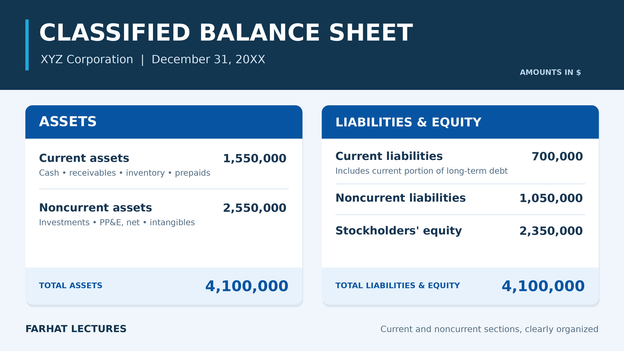
What Is a Classified Balance Sheet? A classified balance sheet groups a company’s assets and liabilities into current and noncurrent categories, with a subtotal for
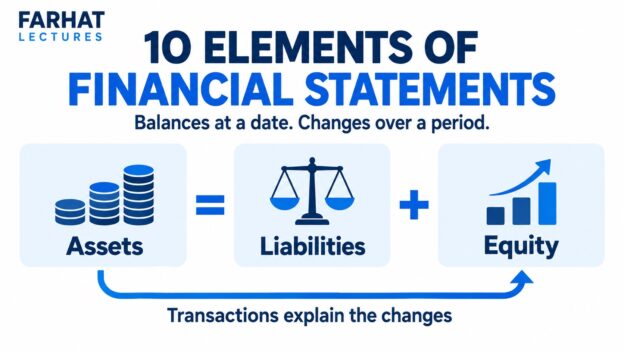
Learn the 10 elements of financial statements, distinguish balances from changes, and practice assets, liabilities, equity, revenue, gains, and owner transactions.
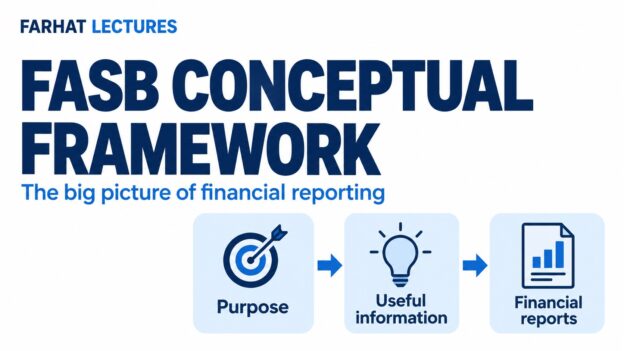
Learn the FASB conceptual framework and its eight chapters with a video, examples, and an interactive matching exercise with answer explanations.
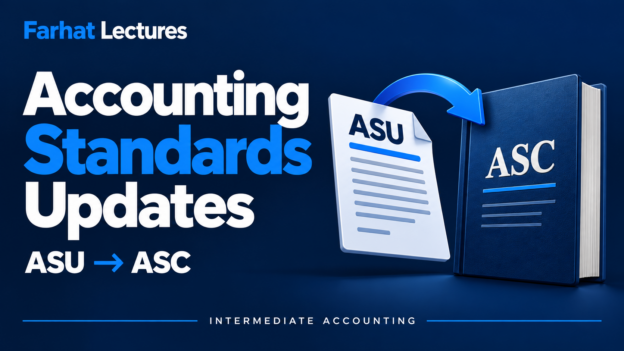
Understand an Accounting Standards Update, how an ASU changes the ASC, effective dates, and Concepts Statements with simple examples and questions.
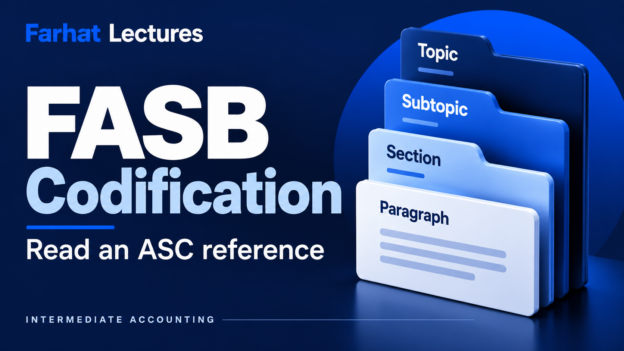
Learn the FASB Codification with a simple guide to ASC topics, subtopics, sections, and paragraphs, plus examples and accounting practice questions.
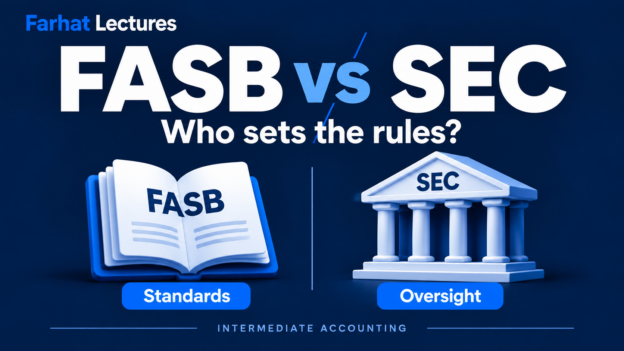
Learn FASB vs SEC with 5 clear differences, a comparison table, simple examples, and practice questions for intermediate accounting students.
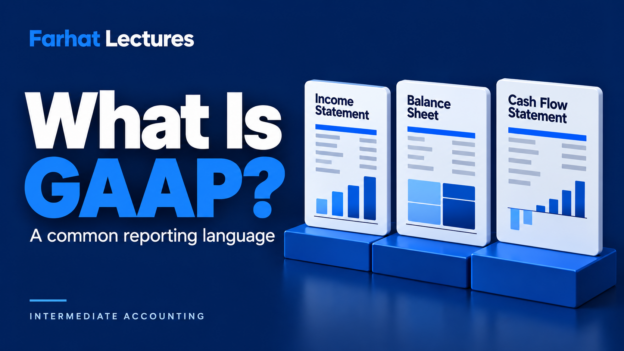
What is GAAP? Learn 5 essential ideas about U.S. accounting standards, comparability, FASB, and authoritative guidance with simple student examples.
Learn FASB vs IASB through 5 clear differences, a U.S. GAAP and IFRS comparison, simple examples, and practice questions for accounting students.
Understand special purpose frameworks and OCBOA with examples of cash basis, modified cash basis, and income tax basis accounting. Review financial statement titles, equity, disclosures, and common CPA exam mistakes.