
FASB Codification: 4 Levels Explained Simply

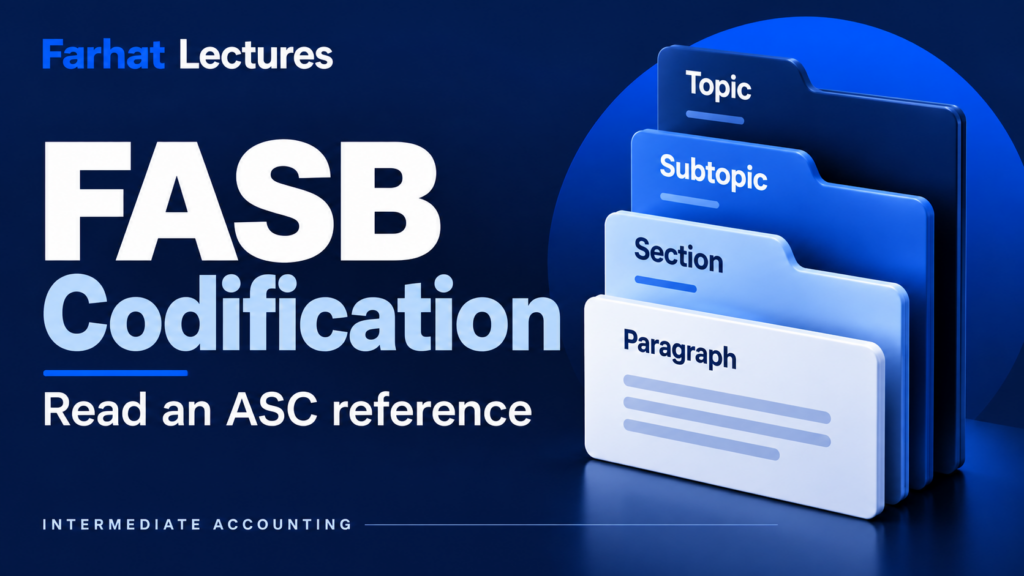
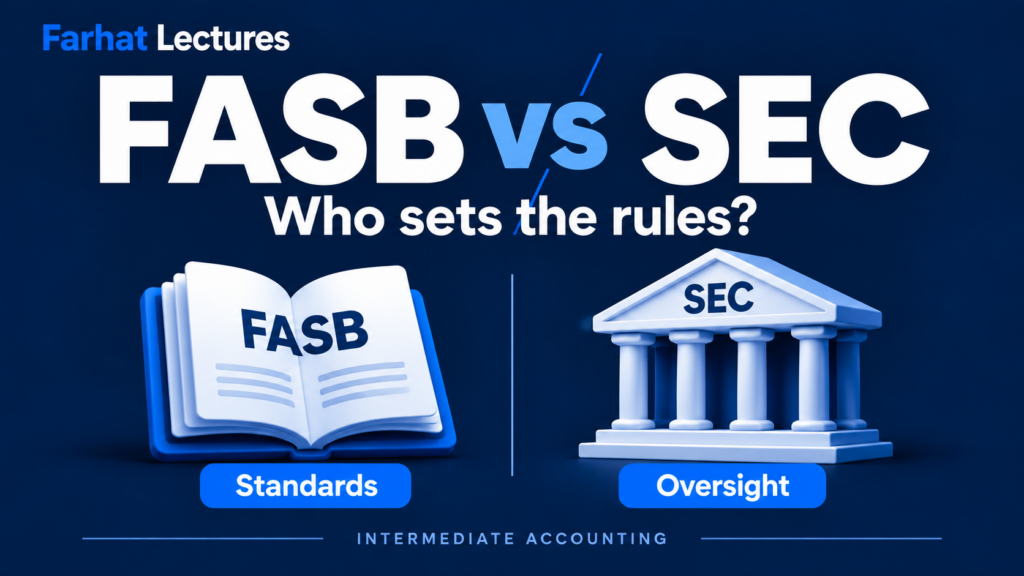
The FASB Codification is the organized source of authoritative U.S. GAAP recognized by the FASB for nongovernmental entities. Its full name is the FASB Accounting Standards Codification, usually shortened to ASC. It organizes accounting guidance by subject so that you can research an issue without searching through many separate historical standards. SEC requirements also apply to entities within the SEC’s jurisdiction.
The FASB Codification uses four main levels: Topic → Subtopic → Section → Paragraph. Learning those levels helps intermediate accounting students read citations and find the guidance that addresses a question. The numbers are an address for guidance; they are not a journal-entry formula.
The 4 levels of the FASB Codification
| Level | What it tells you | How to think about it |
|---|---|---|
| Topic | The broad accounting subject. | Choose the subject area. |
| Subtopic | A division within the topic, often by scope or transaction type. | Narrow the subject. |
| Section | The type of guidance, such as recognition, measurement, or disclosure. | Choose the question you need answered. |
| Paragraph | The specific passage containing the guidance. | Read the actual requirement and its context. |
An overall subtopic often contains guidance that applies broadly within a topic. Other subtopics may address a narrower set of transactions. A section then separates the guidance by purpose. For example, a measurement question is different from a disclosure question even when both involve the same asset.
A complete paragraph citation follows the pattern ASC XXX-YY-ZZ-PP. The letters here are placeholders: XXX represents the topic, YY the subtopic, ZZ the section, and PP the paragraph. Actual references use numbers and may include letters or additional subdivisions. Use the citation’s structure before trying to memorize specific codes.
FASB Codification example: reading an ASC reference
Consider ASC 310-10-35. This points to Topic 310, Receivables; Subtopic 10, Overall; and Section 35, Subsequent Measurement. It identifies a section, rather than one specific paragraph. You still need to read the relevant paragraphs and determine whether they apply to the facts.
Notice how the address becomes more specific as you move right. “310” identifies the subject. Adding “10” narrows the location to the overall subtopic. Adding “35” identifies the subsequent-measurement section. A paragraph number would take you to a particular passage within that section.
This example teaches how an address works. It does not mean every receivables question is answered in the same section. Start with the transaction and the issue, then confirm the guidance’s scope and any related references. You can consult the FASB’s Codification user guide for help using the research system.
How to research a question in the FASB Codification
Step 1: State the accounting issue. Write a specific question. “How should this item be measured after initial recognition?” gives you a clearer research target than “Tell me everything about assets.” A clear question helps you identify the appropriate section.
Step 2: Identify the relevant topic and subtopic. Use the transaction’s substance and check scope guidance. An account name is a useful starting point, but similar words do not guarantee that the guidance applies to your situation.
Step 3: Open the appropriate section. Ask whether you need recognition, initial measurement, subsequent measurement, presentation, or disclosure guidance. Read the surrounding paragraphs and follow relevant cross-references. Do not stop at the first sentence that appears to support your answer.
Step 4: Apply the guidance to the facts. Explain the connection between the requirement and the transaction. A strong student answer gives both a citation and reasoning. Copying a reference number without explaining its relevance does not show that you understand the accounting.
Step 5: Check timing. Determine which guidance applies for the entity and reporting period. Amendments can have future effective dates. Research requires attention to the version of the guidance as well as the topic number.
What if no specific authoritative guidance addresses the issue?
First consider authoritative GAAP for similar transactions or events, unless applying it by analogy is prohibited. Then consider relevant nonauthoritative literature, such as FASB Concepts Statements, IFRS, and professional literature. These sources do not override applicable U.S. GAAP. See ASC 105-10-05-2 through 05-3, reproduced in FASB Statement 168, Appendix B (PDF).
FASB Codification vs Accounting Standards Update
| Term | Purpose | Student takeaway |
|---|---|---|
| ASC | Organizes authoritative accounting guidance recognized by FASB for nongovernmental entities. | Research the applicable accounting requirements here. |
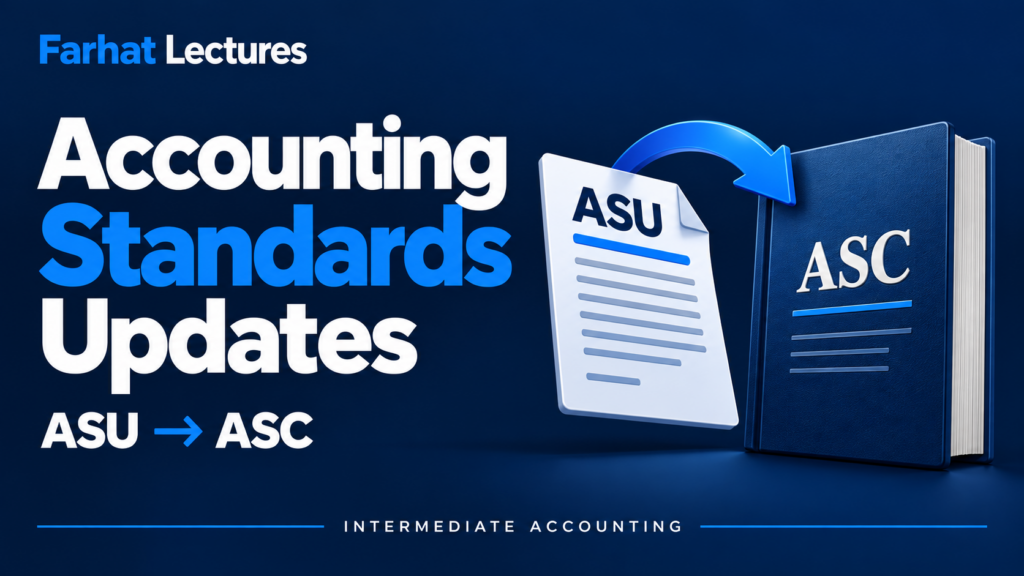
| ASU | Communicates how and why the Codification is amended and when changes apply. | Use it to understand a change; the ASU itself is not authoritative. |
| Concepts Statement | Explains objectives and concepts used in developing standards. | It does not establish GAAP or override the Codification. |
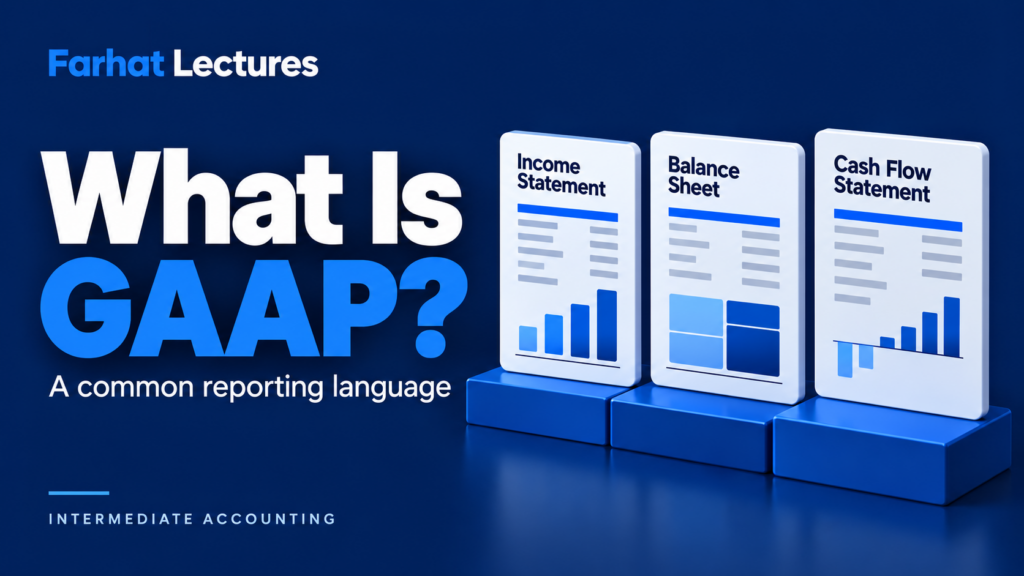
For a fuller explanation of the document types, read what an Accounting Standards Update does. If you first need the purpose of the reporting framework, review what GAAP means.
The Codification’s original purpose was to organize and integrate existing authoritative guidance, rather than create a new accounting treatment simply by reorganizing it. It is subsequently maintained as standards change. Keep that original organizational purpose separate from later amendments to its content.
Need a refresher? Review the four Codification levels or the accounting research method, then try again. Back to On this page.
Practice questions: find the level
1. Which level contains the broad accounting subject? The topic. It is the first level in the address. A topic gets you to the subject area, but you usually need a more specific location to support a conclusion.
2. Does ASC 310-10-35 identify one paragraph? No. It identifies a topic, subtopic, and section. A paragraph reference would add another part to the address.
3. A student cites a paragraph but ignores its scope. Is the conclusion necessarily correct? No. The guidance must apply to the transaction. A precise citation cannot fix a mismatch between the requirements and the facts.
Frequently asked questions about the FASB Codification
What does ASC stand for? Accounting Standards Codification. It is the name of the organized body of accounting guidance, rather than the name of the standard-setting organization.
Does the Codification cover governmental accounting? The FASB Codification addresses nongovernmental U.S. GAAP. Do not assume it is the authoritative source for governmental reporting.
Is every explanation of GAAP authoritative? No. Textbooks, blogs, and other educational material can help you learn, but they do not replace the applicable authoritative guidance. The FASB standards overview explains the distinction.

Responses