
Accounting Standards Update: 3 Simple ASU vs ASC Lessons

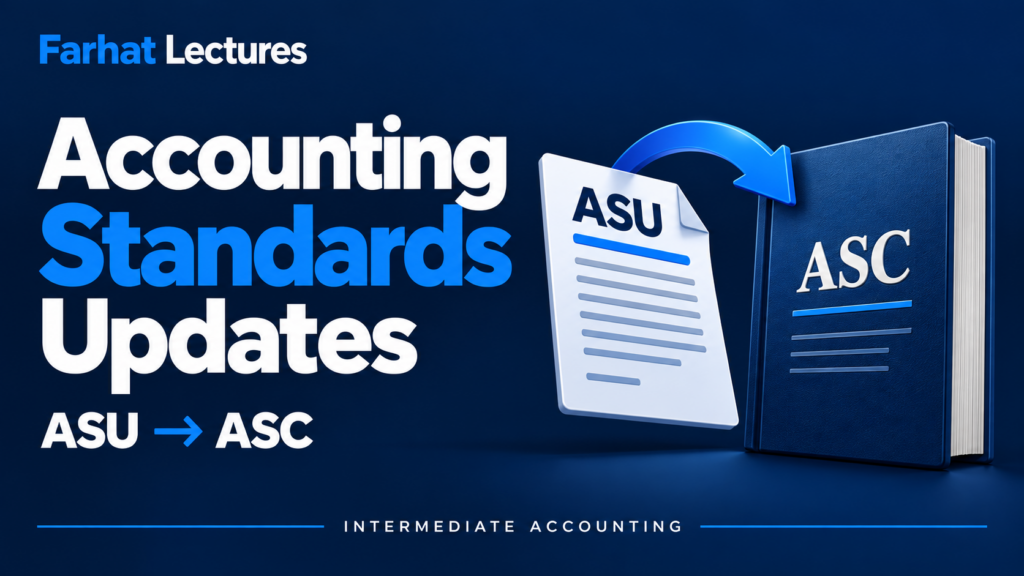
An Accounting Standards Update (ASU) is a document that communicates amendments to the FASB Accounting Standards Codification (ASC). It explains what is changing, why the change was made, and when the amendments take effect. The ASU itself is not authoritative; the Codification is the source of authoritative nongovernmental U.S. GAAP recognized by FASB.
For intermediate accounting, remember this relationship: FASB issues an ASU → the ASU communicates amendments → the ASC contains the guidance. Keeping the document and the guidance separate helps you avoid one of the most common sources of confusion in the financial reporting environment.
What does an Accounting Standards Update explain?
An Accounting Standards Update helps readers understand the change to accounting guidance. It identifies the affected area, describes the amendments, and explains relevant implementation information. The amendment may address a broad accounting issue or clarify an existing requirement. The size of the document does not determine whether you can ignore it.
| Question to ask | Why it matters |
|---|---|
| What changed? | Identify the guidance that was added, amended, or removed. |
| Why did it change? | Understand the reporting problem or clarification behind the amendment. |
| Who is affected? | Determine whether the amendment applies to the entity or transaction. |
| When does it apply? | Find the effective date and any early-adoption provisions. |
| How is it applied? | Read the transition requirements and any available choices. |
FASB states the distinction directly in its updates: an ASU communicates changes to the Codification and is not itself authoritative. You can see this explanation near the beginning of FASB ASU 2025-12. The example is linked to show the document’s structure, rather than to require you to study that update’s individual amendments here.
Accounting Standards Update vs ASC vs Concepts Statements
| Document or source | Main job | Does it establish authoritative requirements? |
|---|---|---|
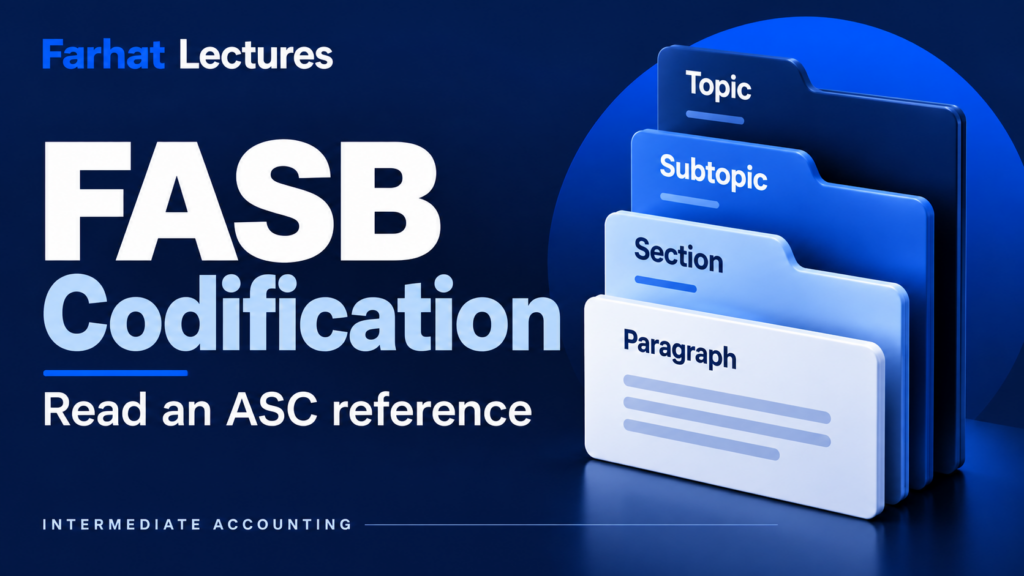
| Accounting Standards Codification (ASC) | Organizes accounting guidance by topic, subtopic, section, and paragraph. | It is the authoritative source recognized by FASB for nongovernmental U.S. GAAP. |
| Accounting Standards Update (ASU) | Communicates amendments and explains the change and its timing. | The ASU document itself is not authoritative. Its amendments change the Codification. |
| Statement of Financial Accounting Concepts | Provides objectives and concepts used to develop standards. | No. Concepts Statements do not establish GAAP. |
Think of the ASC as the organized reference and an ASU as the explanation of an amendment to that reference. A Concepts Statement serves a different purpose: it helps the Board reason about accounting issues. It is not an alternative rulebook that a preparer can choose when a Codification requirement is inconvenient.
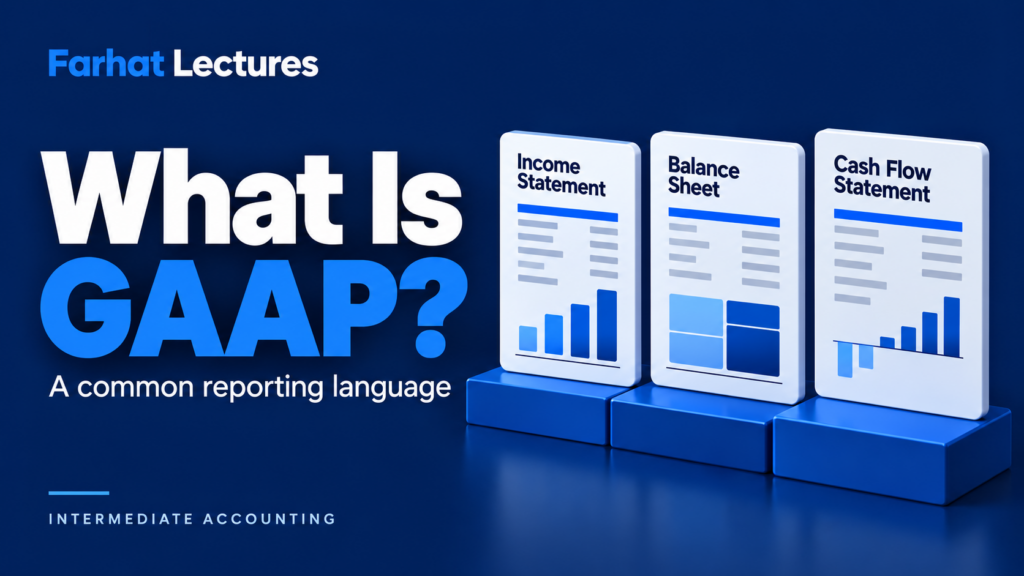
See the FASB Codification tutorial for the four-level structure. For the broader purpose of the reporting framework, read the student guide to GAAP.
How should a student read an Accounting Standards Update?
Start with the summary. Identify the reporting issue, the entities affected, and the main provisions. Before focusing on technical wording, explain the purpose of the update in one sentence. That gives your research a clear direction.
Then connect the explanation to the amendments. Determine which Codification topics and paragraphs are affected. Read the amendments in context and check how they relate to the transaction. A summary is helpful, but it does not eliminate the need to understand the actual guidance.
Read effective dates and transition requirements carefully. Issuance and effectiveness are different events. The date FASB publishes an update does not automatically mean every entity applies its amendments immediately. Requirements can differ by entity type, reporting period, and permitted adoption choices.
Separate proposals from final updates. An exposure draft seeks feedback on proposed guidance. It is not the final outcome. The Board considers comments and may revise the proposal before issuing an update. The FASB standard-setting process explains how public input fits into this sequence.
Due process and authority are different. Both ASUs and Concepts Statements are developed through FASB’s public due process. Public deliberations and opportunities to comment help shape the outcome; sharing that process does not give both documents the same authority. See the FASB Rules of Procedure, sections IV(C) and IV(H).
A simple Accounting Standards Update timing example
Assume a hypothetical update is issued in Year 1. Its amendments apply to a particular company beginning in Year 3, and early adoption is not permitted. In Year 1, the accountant learns what will change and plans for the transition. The company does not apply the new requirements solely because the update has been issued.
In Year 3, the company follows the applicable amendments and transition provisions. This example contains no real effective date: its purpose is to separate publication from application. In an actual problem, use the dates and conditions stated in the relevant guidance.
Now change one fact: early adoption is permitted. That gives an eligible entity a possible choice, subject to the update’s conditions. It does not mean every entity automatically adopted early. You still need the company’s facts before deciding which guidance applies.
Need a refresher? Review the ASU, ASC, and Concepts Statements comparison, or return to On this page.
Quick review: ASU practice questions
1. Is an ASU the same as the ASC? No. The ASU communicates amendments, while the ASC organizes the authoritative guidance. The similar abbreviations refer to different things.
2. Can a Concepts Statement override a specific Codification requirement? No. Concepts Statements do not establish GAAP. A general concept does not permit a company to disregard applicable authoritative guidance.
3. Must a company apply every amendment on the day the ASU is issued? No. Check the effective date, applicability, early-adoption provisions, and transition requirements.
Frequently asked questions about an Accounting Standards Update
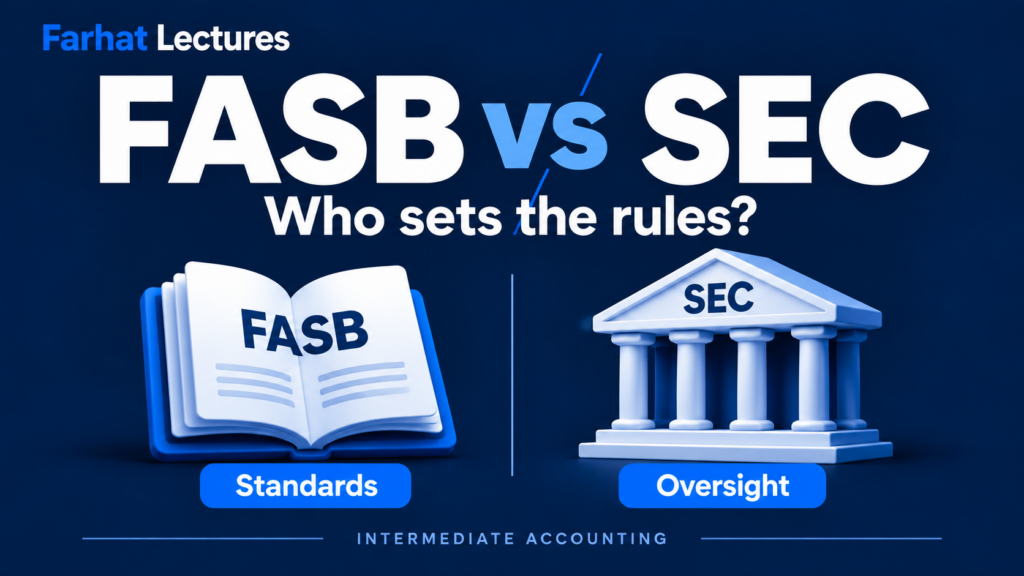
Who issues ASUs? The Financial Accounting Standards Board. Learn more about the organization in what FASB does.
Does every ASU introduce an entirely new topic? No. Some updates amend or clarify existing guidance. Others address broader reporting issues. Read the specific amendment to understand its effect.
Why study an ASU if it is not authoritative? It explains the change, the reasons behind it, and implementation timing. Those details help you understand how the Codification is being amended and which requirements apply.
Responses