
What Is GAAP? 5 Essential Ideas for Accounting Students

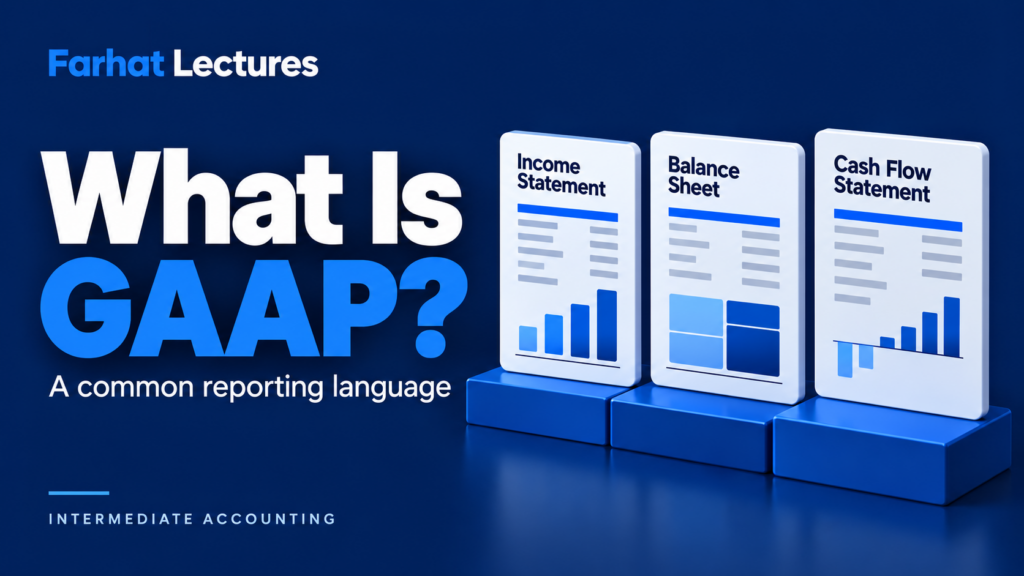
GAAP stands for generally accepted accounting principles. In this lesson, GAAP means the U.S. financial accounting and reporting standards used to prepare financial statements. These standards give companies a common basis for reporting so that investors, lenders, and other users can understand and compare financial information.
For intermediate accounting, begin with five questions: Why are standards needed? Who uses the information? Who develops the standards? Where is authoritative guidance found? Who requires a company to follow it? Answering these questions explains the financial reporting environment before you move into detailed accounting rules.
1. GAAP gives reporting a common basis
Imagine comparing two manufacturers when each uses its own definition of sales, expenses, and assets. Even if both companies label a number “profit,” the numbers might not represent comparable accounting. Investors would have to learn each company’s personal reporting rules before making a useful comparison.
GAAP reduces that problem by providing shared standards. It helps readers interpret reported results within an established framework. It does not make two different businesses identical, remove every estimate, or guarantee that every company will succeed. Comparability improves when similar transactions are reported using an appropriate common basis.
A useful memory aid is common standards → more comparable information → better-informed decisions. This describes the purpose of standards. It is not a promise that a financial statement can predict the future with certainty. Users still evaluate business conditions, risks, and the limitations of available information.
2. GAAP information supports different users
| User | Typical question | Why financial information helps |
|---|---|---|
| Owner or manager | Is the business earning income and using resources effectively? | It provides information about operations, resources, and obligations. |
| Lender or other creditor | Can the business meet its payment obligations? | It helps assess future cash flows and repayment risk. |
| Current or potential investor | Should I invest in this company? | It helps compare expected returns, risks, and financial performance. |
These users do not all make the same decision. A lender focuses on repayment, while a shareholder considers the potential return and risk of an ownership investment. Both need useful information about the company. The role of accounting is to support those decisions with relevant financial reporting.
Consider a fictional company, Pine Manufacturing, seeking a bank loan. The bank reviews financial statements as part of its assessment of whether Pine can repay principal and interest. The statements provide a starting point for analysis; they do not guarantee repayment. This distinction explains why useful reporting matters even when the future remains uncertain.
3. FASB develops nongovernmental U.S. GAAP
The Financial Accounting Standards Board is the principal private-sector standard setter for nongovernmental financial reporting in the United States. It develops and improves accounting guidance through a process that includes research, public discussion, and stakeholder input.
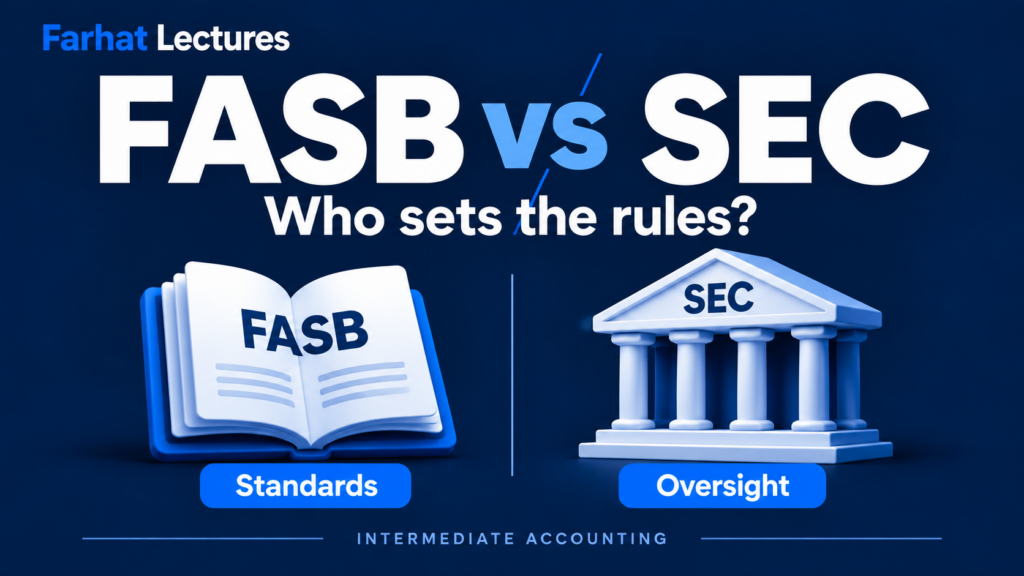
The Securities and Exchange Commission has authority over financial reporting within its jurisdiction and recognizes the Board’s standard-setting role. Their relationship is a public/private partnership. For a comparison, read FASB vs SEC. For the development process, read what FASB does.
The AICPA is a professional organization associated with the CPA profession and has an important historical role in accounting standard setting. Do not identify it as today’s principal setter of nongovernmental U.S. GAAP. Different organizations contribute to the profession without having the same responsibilities.
4. The Codification is the authoritative reference
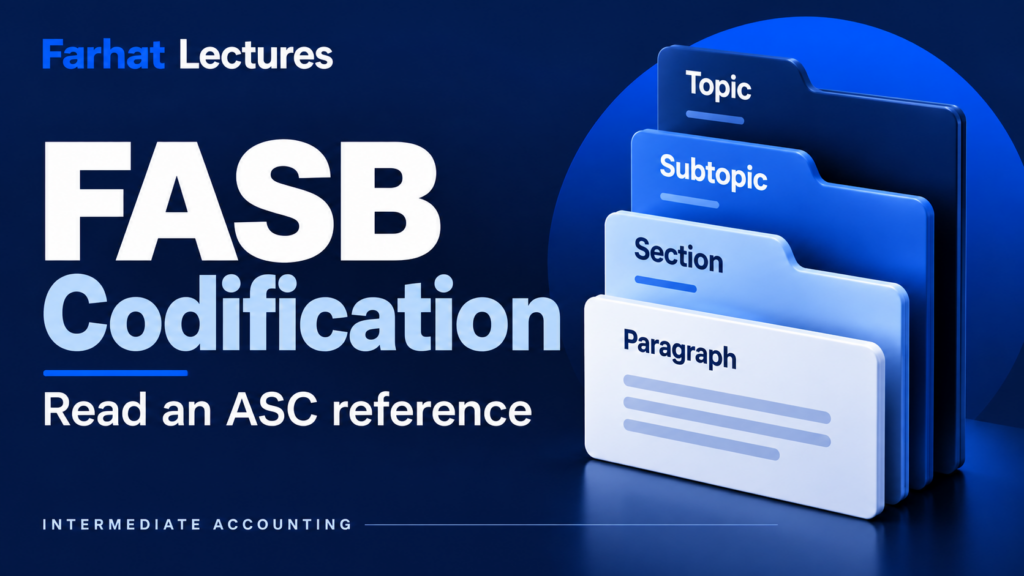
The FASB Accounting Standards Codification, or ASC, organizes authoritative guidance for nongovernmental entities. SEC rules and interpretive releases are also authoritative for entities within the SEC’s jurisdiction. Educational explanations help you learn the rules, but they are not a substitute for the applicable authoritative requirements.
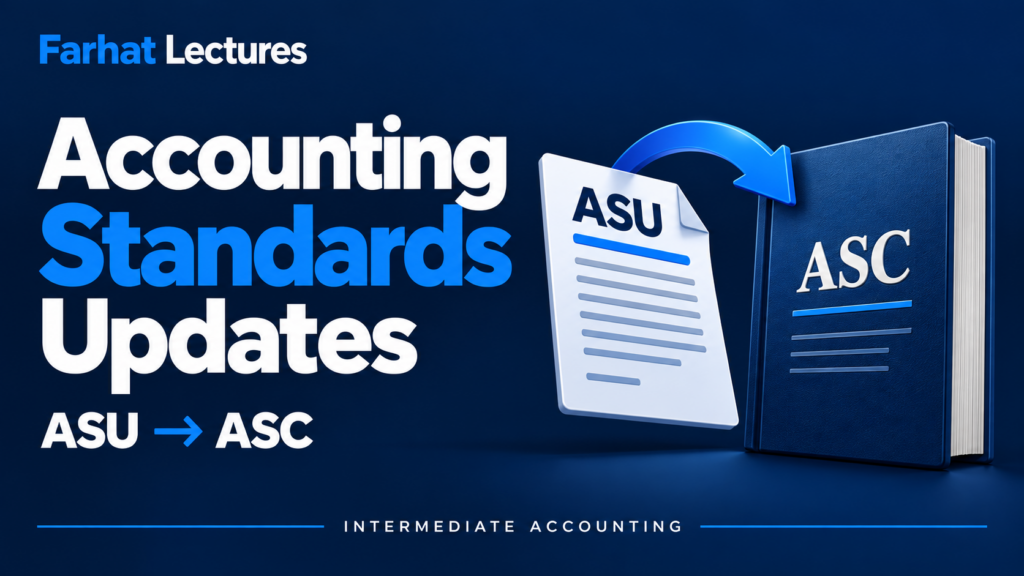
An Accounting Standards Update communicates amendments to the ASC. A Statement of Financial Accounting Concepts has a different purpose: it sets out objectives and concepts used in developing standards and does not establish GAAP. The FASB standards overview identifies these distinctions.
Keep three ideas separate: the Board develops standards, the Codification organizes guidance, and an update communicates amendments. Learn how to locate guidance in the Codification tutorial, and compare the documents in the ASU vs ASC guide.
5. Private companies may also use GAAP
Do not assume that only public companies prepare financial statements under this framework. A private company may need GAAP financial statements because of a loan agreement, an owner’s requirement, or another reporting obligation. The relevant requirement depends on the company’s circumstances.
Return to Pine Manufacturing. If its bank requires GAAP financial statements, that condition matters even though Pine is privately owned. However, the loan agreement does not by itself make Pine an SEC registrant. Using an accounting framework and filing reports with a regulator are related but separate issues.
Similarly, do not assume every small business has the same reporting obligation. A question about what a particular entity must provide requires its facts. In an introductory financial reporting lesson, the key point is that private ownership alone does not make accounting standards irrelevant.
Practice questions about GAAP
1. Does a common reporting framework make different companies economically identical? No. It supports more meaningful comparison of financial information. Differences in operations, risks, and performance still exist.
2. A private company’s lender requires statements prepared under U.S. GAAP. Can the company ignore that condition because it is private? No. Its reporting obligation can arise from its agreement with the lender. Public-company status is not the only reason to use the framework.
3. A textbook explains an accounting treatment. Is the textbook authoritative guidance? No. It is educational material. For an accounting conclusion, identify and apply the relevant authoritative requirements.
Frequently asked questions about GAAP
Is GAAP the name of an organization? No. It refers to generally accepted accounting principles. FASB and SEC are organizations with roles in the reporting environment.
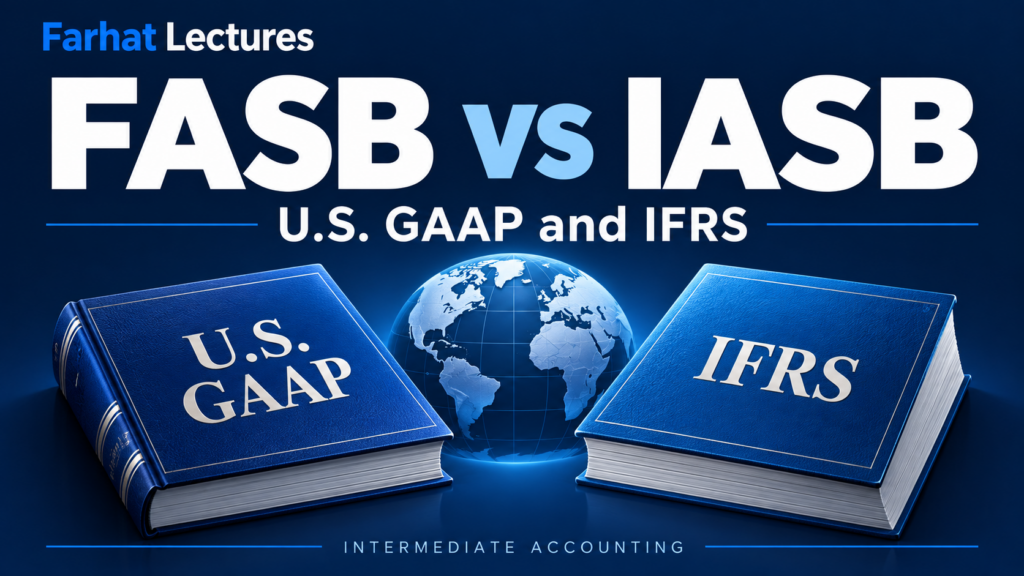
Is U.S. GAAP the same as IFRS? No. They are distinct accounting frameworks. The IASB develops IFRS Accounting Standards. See FASB vs IASB for the organization-level comparison.
Does following standards eliminate uncertainty? No. Financial reporting can involve estimates and judgments. The standards provide a framework for useful reporting even when outcomes remain uncertain.
Responses