
FASB vs SEC: 5 Key Differences Made Simple

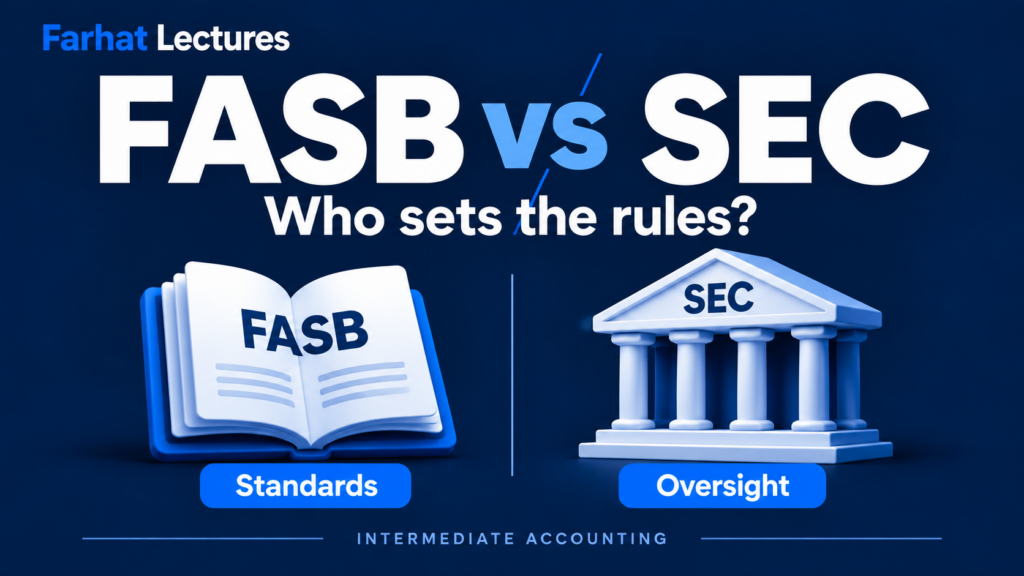
FASB vs SEC comes down to standards and oversight. The Financial Accounting Standards Board (FASB) develops accounting standards for nongovernmental entities in the United States. The Securities and Exchange Commission (SEC) is a federal regulator with authority over financial reporting by companies within its jurisdiction. The SEC recognizes the FASB as the designated private-sector accounting standard setter, while retaining its own authority.
For intermediate accounting, the goal is to identify each organization’s job. Understanding FASB vs SEC helps you explain who develops U.S. GAAP, who oversees public-company reporting, and why the two organizations work together.
FASB vs SEC: 5 differences to remember
| Question | FASB | SEC |
|---|---|---|
| 1. What kind of organization is it? | An independent organization in the private sector. | A federal government agency. |
| 2. What is its central role here? | Develop and improve financial accounting and reporting standards. | Oversee financial reporting and enforce securities-law requirements within its jurisdiction. |
| 3. What does it produce? | Amendments to the Accounting Standards Codification, communicated through Accounting Standards Updates. | Reporting rules, regulations, and regulatory guidance. |
| 4. Who is affected? | Nongovernmental entities that prepare financial statements under U.S. GAAP. | Companies and other participants subject to SEC requirements. |
| 5. How do they relate? | Acts as the recognized private-sector standard setter. | Recognizes the FASB’s standards and retains oversight and legal authority. |
The fourth difference is easy to miss. FASB standards are relevant to both public companies and private companies using U.S. GAAP. SEC reporting requirements do not automatically apply to every business simply because it follows GAAP. A private company may prepare GAAP financial statements for a lender without becoming an SEC registrant.
How does the public/private partnership work?
The SEC has authority over accounting standards for companies within its jurisdiction. It generally relies on the FASB’s expertise to develop those standards. This arrangement combines a private standard setter with public oversight. The SEC can raise reporting concerns, comment on proposals, and work with the FASB on implementation issues.
That relationship does not make the FASB a government agency. It also does not mean the SEC has surrendered its authority. For the official basis of the relationship, see the SEC’s statement recognizing the FASB as a designated private-sector standard setter.
A useful memory aid is FASB develops accounting guidance; SEC oversees reporting within its jurisdiction. Treat this as a starting point. The SEC can issue its own accounting and disclosure requirements, so “the SEC only enforces and never sets requirements” is too absolute.
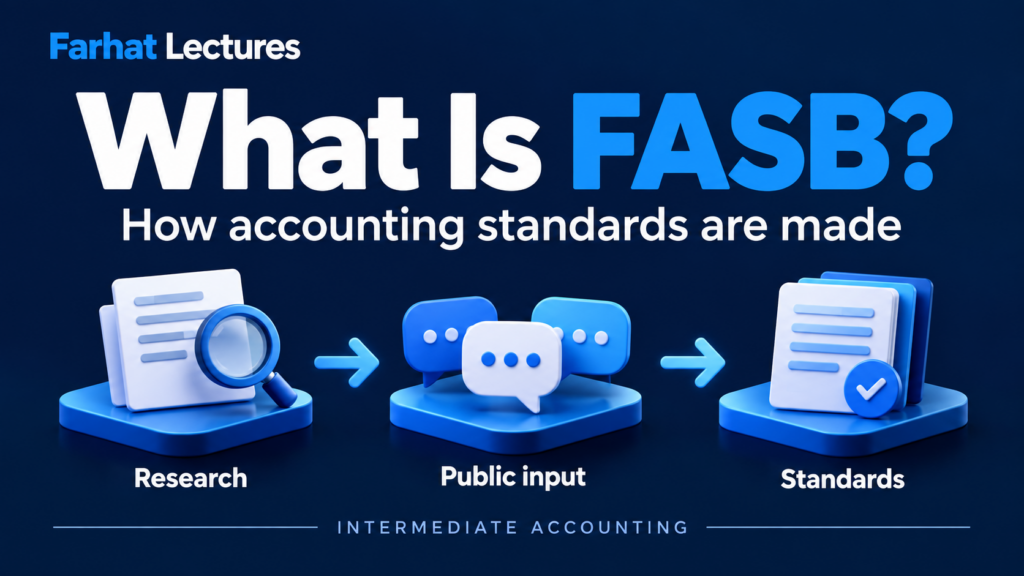
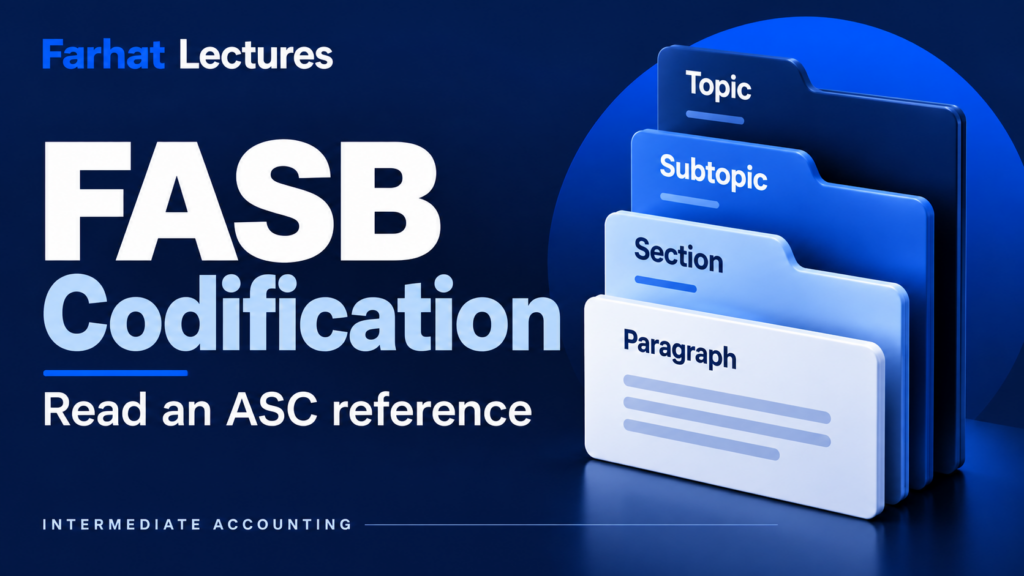
To see how proposed guidance becomes an amendment, read what FASB does and how its due process works. To locate the accounting requirements themselves, use the FASB Codification guide.
A simple FASB vs SEC example
Assume Harbor Manufacturing is a U.S. public company preparing financial statements. Its accountant must determine the accounting treatment for a transaction. The accountant researches the relevant U.S. GAAP requirements in the Codification. That is the accounting-standard side of the problem.
Harbor must also meet the reporting and disclosure requirements that apply to its SEC filings. If the SEC staff questions a disclosure, Harbor must address the issue through the applicable review process. That is the regulatory-oversight side. Both responsibilities can apply to the same financial statements.
Now assume Harbor is privately owned and a bank requires GAAP financial statements as a loan condition. The accountant still needs the applicable GAAP guidance. However, that loan condition alone does not turn Harbor into a public company or require SEC filings. The reporting framework and the regulatory filing obligation are separate questions.
Common mistakes when comparing FASB vs SEC
Mistake 1: “FASB and SEC are two names for the same organization.” They are separate organizations with different responsibilities. Their cooperation does not merge their roles.
Mistake 2: “Only public companies use FASB standards.” Private companies can also prepare GAAP financial statements, including when owners or creditors require them.
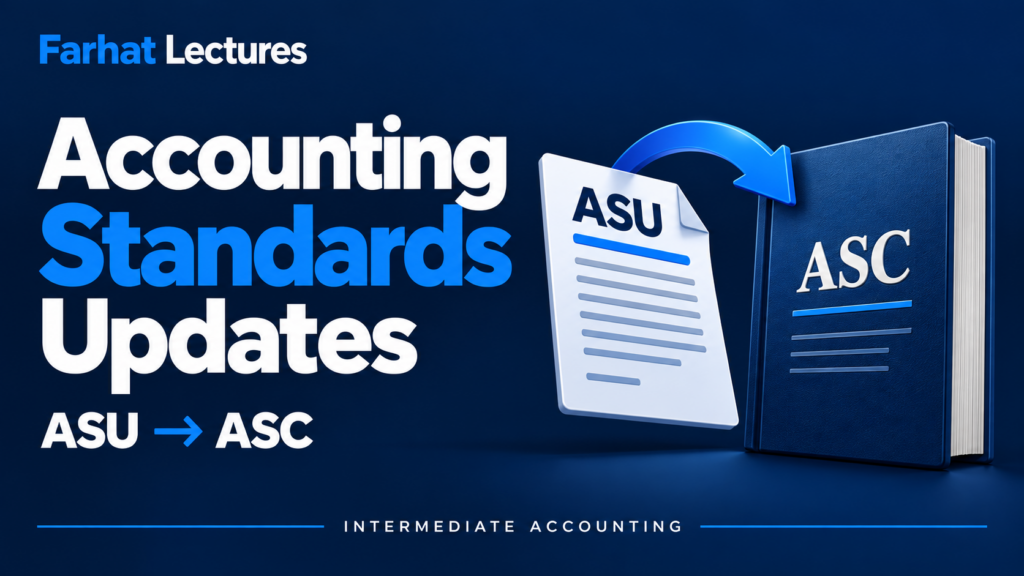
Mistake 3: “An Accounting Standards Update is the authoritative rulebook.” An update communicates amendments. The Codification is the authoritative source recognized by the FASB for nongovernmental U.S. GAAP; SEC requirements also matter for registrants. See the ASU vs ASC explanation.
Need a refresher? Review the five differences between FASB and SEC, then apply what you learned to the worked practice questions below.
Practice questions: identify the organization
1. An organization considers changing how a transaction is reported under U.S. GAAP. Which organization is the private-sector standard setter? FASB. The key words are “private-sector” and “standard setter.” The question concerns developing accounting guidance.
2. A U.S. public company faces questions about disclosures in an SEC filing. Which organization has the regulatory role? SEC. This question concerns oversight of a registrant’s reporting, rather than development of a new accounting standard.
3. A private company follows GAAP because its lender requires it. Does that fact alone make the company an SEC registrant? No. A lender’s reporting condition does not by itself create SEC registration or filing obligations.
Frequently asked questions about FASB vs SEC
Does the SEC control all accounting in the United States? No. Its authority relates to entities and activities within its jurisdiction. Do not treat every organization that uses accounting information as an SEC registrant.
Is FASB part of the SEC? No. FASB operates in the private sector. The SEC recognizes its standard-setting role and retains authority over reporting within its jurisdiction.
Which organization should I name when asked who sets U.S. GAAP? For nongovernmental financial reporting, identify FASB as the principal private-sector standard setter. Add the SEC’s authority and requirements when the question concerns SEC registrants.
Responses