
Advantages of Leasing for Lessees and Lessors

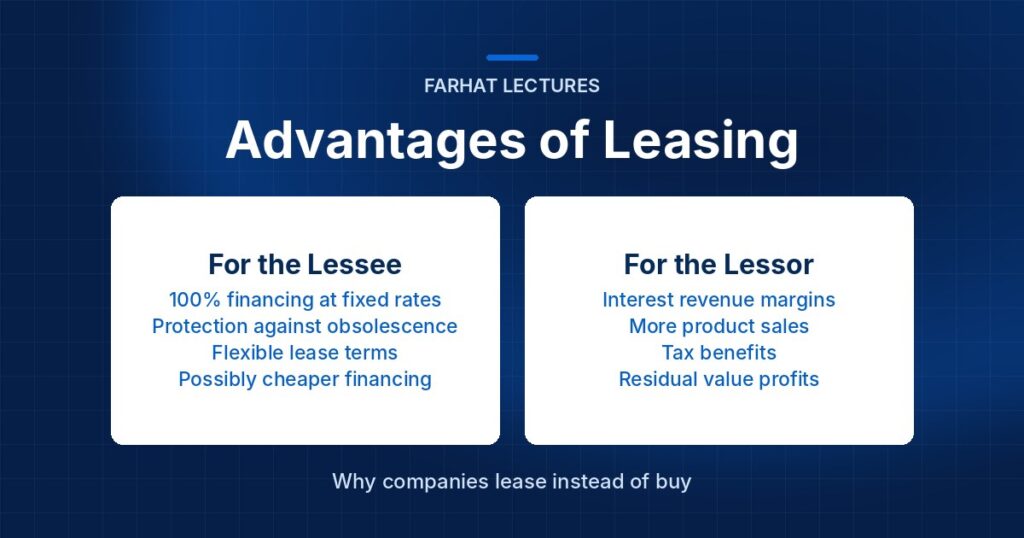
Leasing lets a company use an asset without buying it. For the lessee, the main advantages are 100% financing at fixed rates, protection against obsolescence, flexible terms, and possibly cheaper financing through shared tax savings. For the lessor, leasing can generate interest margins, support product sales, provide depreciation tax benefits, and create an opportunity to profit from the asset’s residual value.
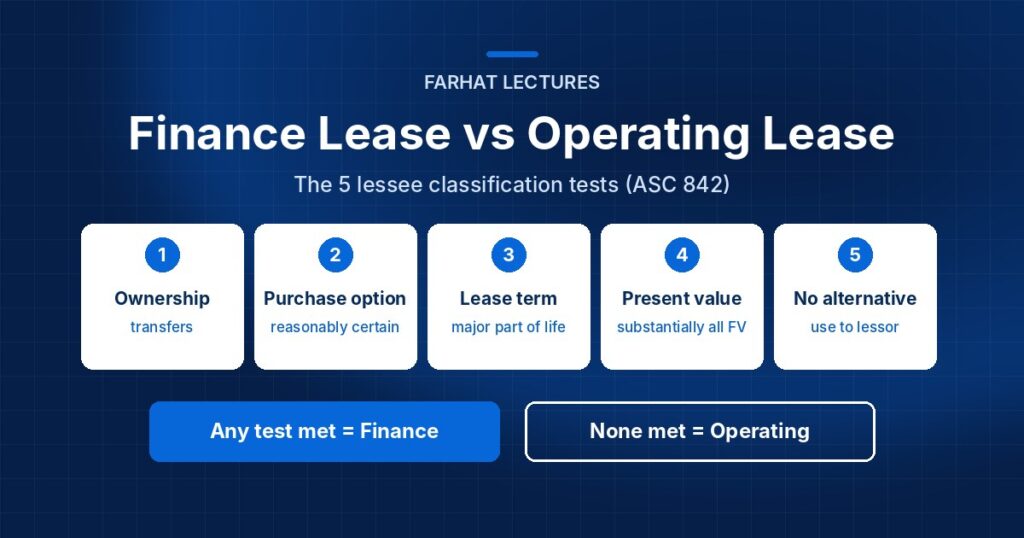
Knowing why leasing is popular helps you read lease contracts the way accountants do. Features such as purchase options, mileage limits, and residual value guarantees exist because of these advantages, and those same features later decide how the lease is classified.
Watch: Advantages and Disadvantages of Leases — Intermediate Accounting (Quiz Included) (covers both the advantages and the trade-offs of leasing)
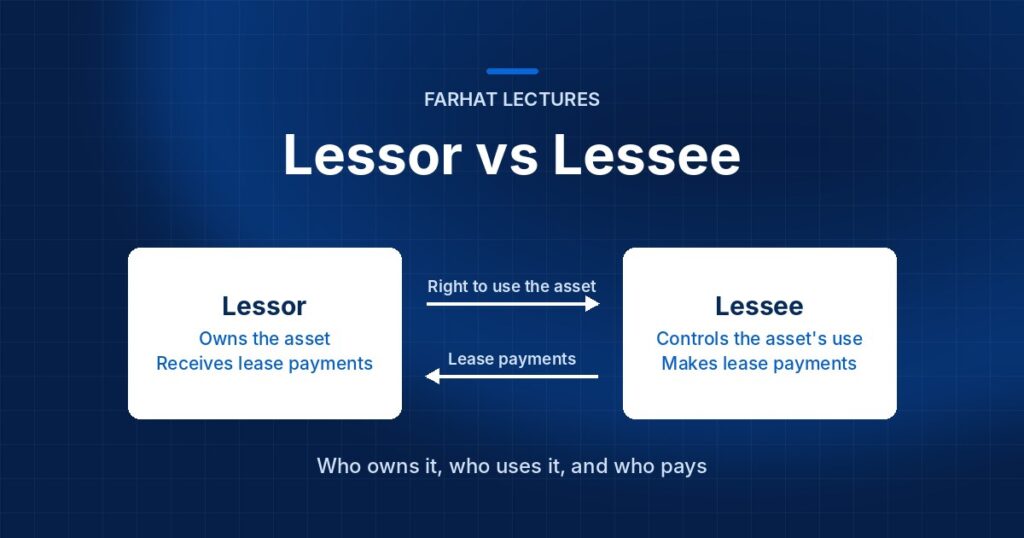
Before you start, make sure you know the difference between a lessor and a lessee. The lessor owns the asset, and the lessee uses it.
What are the advantages of leasing for the lessee?
1. 100% financing at fixed rates
A lease often requires little or no down payment, and the payments are usually fixed. A bank loan to buy the same asset may cover only part of the price and may carry a floating rate. Leasing lets a company conserve cash and lock in a payment it can plan around.
2. Protection against obsolescence
Technology changes quickly for computers, medical equipment, and vehicles. A lessee can return the asset at the end of the term and lease a newer model, instead of owning equipment that is out of date and hard to sell.
3. Flexibility
Lease agreements can be tailored. The term can be short or cover most of the asset’s life. Payments can be level, rising, or falling, and some vary with sales or an index such as the Consumer Price Index (CPI). Lease contracts may also have fewer restrictions than a typical loan agreement.
4. Less costly financing
Some companies cannot use tax deductions because they have little or no taxable income, such as start-ups. If they buy an asset, the depreciation deduction does them little good. If a lessor that can use the deduction owns the asset instead, it can pass part of the tax savings to the lessee through lower lease payments.
Practice: Why companies lease assets
Why might a company lease an asset instead of buying it? For each scenario, select the leasing advantage that best explains the lessee’s decision.
What are the advantages of leasing for the lessor?
- Profitable interest margins. Lease payments include an interest component. Many lessors borrow at a lower rate than the rate built into their leases, and that difference (the interest margin) is their profit on the financing.
- More product sales. Manufacturers and dealers sell more when customers can lease. When a manufacturer or dealer leases its own product, the lease is often a sales-type lease, and the lessor recognizes its selling profit at the start. Leasing lowers the up-front cost, so customers may choose a more expensive model.
- Tax benefits. When the lessor keeps ownership for tax purposes, it can claim depreciation and share the savings through lower payments, which benefits both parties.
- Residual value profits. When the asset comes back, the lessor can sell it or lease it again. That is a second chance to earn a profit from the same asset.
Advantages of leasing: summary table
| Party | Advantage | What it means in practice |
|---|---|---|
| Lessee | 100% financing, fixed rates | Little or no down payment and predictable payments |
| Lessee | Protection against obsolescence | Return the asset and upgrade at the end of the term |
| Lessee | Flexibility | Terms and payment patterns tailored to the lessee’s needs |
| Lessee | Possibly cheaper financing | Tax savings the lessee cannot use are shared through lower payments |
| Lessor | Interest margins | Earns a financing return built into each payment |
| Lessor | More sales | Leasing makes products affordable to more customers |
| Lessor | Tax benefits | Uses depreciation deductions as the tax owner |
| Lessor | Residual value | Profits again when it sells or re-leases the returned asset |
Residual value: the lessor’s biggest estimate
The residual value is the expected value of the leased asset at the end of the lease term. Lessors set lease payments assuming they will recover that value when the asset comes back.
That is why car leases have mileage limits. A car with extra miles is worth less on the used-car lot, so the dealer protects its residual value by charging for excess miles. If market prices fall, for example because fuel prices rise or a model loses popularity, returned assets can sell for less than the lessor expected. The lessor then earns less than it planned and may even record a loss.
Some leases shift part of this risk to the lessee through a guaranteed residual value. A guarantee also affects lease classification, as shown in the present value test for leases.
Example: who uses the tax benefit?
Hypothetical example with simplified numbers. NewRoute, a start-up delivery company, needs a $60,000 van. NewRoute expects tax losses for its first few years, so a depreciation deduction would not lower its taxes for some time.
| NewRoute buys the van | Atlas Leasing buys and leases the van | |
|---|---|---|
| Who claims depreciation? | NewRoute, which has no taxable income to offset yet | Atlas, which is profitable and benefits right away |
| Who gets the tax savings? | Depreciation may increase NewRoute’s net operating loss, which it may be able to use in a later tax year. | Atlas, which shares part of it |
| Effect on NewRoute | Needs cash or a loan for the purchase | Lower monthly payments and little cash up front |
How big is the benefit? Over the van’s tax life, the depreciation deductions add up to its $60,000 cost. At the 21% federal corporate tax rate, that is $12,600 of tax savings ($60,000 × 21% = $12,600). The $12,600 is Atlas’s potential federal income tax savings from depreciation over the van’s tax life. NewRoute benefits only to the extent Atlas passes those savings along through lower rent. Atlas can use those savings as soon as it takes the deductions. NewRoute would have to wait until it earns taxable income. This simplified example ignores state taxes.
Both parties gain. Atlas earns interest and uses the deduction, and NewRoute gets the van at a lower cost than it could manage on its own.
Trade-offs to keep in mind
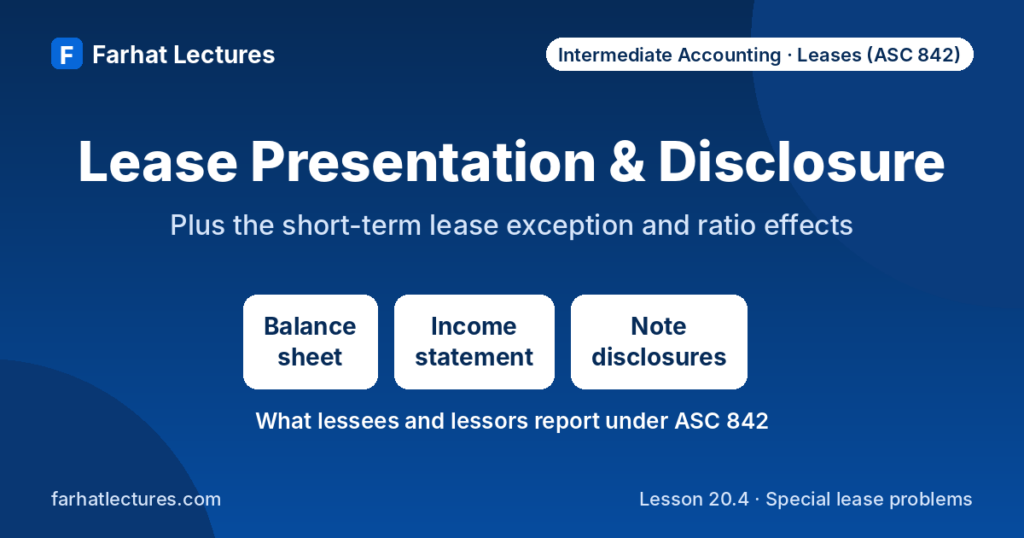
Leasing is not automatically the better choice. Total lease payments can exceed the purchase price. The lessee usually does not own the asset at the end. Contracts can include restrictions such as mileage or usage limits. Under ASC 842, the lessee also records a right-of-use asset and a lease liability on its balance sheet for most leases. The only exception is a short-term lease (12 months or less, with no purchase option the lessee is reasonably certain to exercise), and only if the lessee elects that exemption.
How this topic shows up on the CPA exam
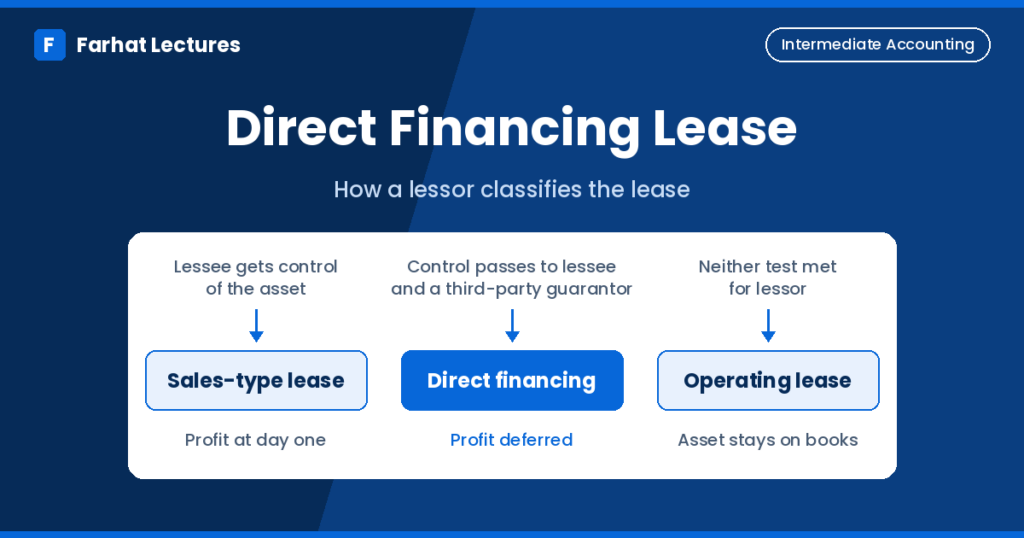
The CPA exam rarely asks you to list the advantages of leasing. It tests the accounting that follows. FAR covers lessee accounting under ASC 842, and lessor accounting (sales-type, direct financing, and operating leases) is tested in the BAR discipline section.
This lesson still matters because the advantages explain the contract features you will see in exam questions. A residual value guarantee protects the lessor’s expected residual value. A purchase option gives the lessee a path to ownership. Each feature can change how the lease is classified.
Quick IFRS note: under IFRS 16, lessees do not split leases into finance and operating. They use one model for almost all leases, with optional exemptions for short-term leases and leases of low-value assets.
Common mistakes
- Assuming leasing keeps debt off the balance sheet. That was true for operating leases under the old standard, ASC 840. Under ASC 842, lessees put both operating and finance leases on the balance sheet, except elected short-term leases. Read more in our lesson on off-balance-sheet financing.
- Thinking only the lessee benefits. Lessors earn interest, sell more products, and profit from residual values.
- Treating residual value as guaranteed profit. It is an estimate, and lessors can lose money when resale prices fall.
- Ignoring who can use the tax deduction. The tax advantage exists because one party can use the deduction and the other cannot.
Practice questions
Question 1
A hospital leases imaging equipment because new models come out every few years. Which advantage of leasing does this describe, and which party benefits?
Show answer
Protection against obsolescence, which benefits the lessee. The hospital can return the equipment at the end of the term and lease a newer model instead of owning outdated equipment.
Question 2
Why does a car dealer that offers leases limit the miles a customer can drive each year?
Show answer
To protect the residual value. The dealer expects to sell the returned car, and extra miles lower its resale price. Mileage limits, and charges for going over them, protect the dealer’s expected profit.
Question 3
An equipment manufacturer starts offering leases and its sales rise because customers can afford higher-end models. Name two advantages the manufacturer gains as lessor.
Show answer
It stimulates product sales and earns interest margins on the lease payments. It may also profit from the residual value when the equipment is returned.
Frequently asked questions
Why do companies lease instead of buy?
Leasing can give 100% financing at fixed rates, protect against obsolescence, offer flexible terms, and sometimes cost less after tax effects. Each company weighs these against the total cost of the lease.
Why would a lessor lease an asset instead of selling it?
Leasing can earn interest revenue, help sell more products, provide tax benefits, and let the lessor profit again when it sells or re-leases the returned asset.
Does leasing still keep debt off the balance sheet?
Not for most leases. Under ASC 842, a lessee records a right-of-use asset and a lease liability for both finance and operating leases. Only short-term leases (12 months or less, with no purchase option the lessee is reasonably certain to exercise) can stay off the balance sheet, and only if the lessee elects that exemption.
What is residual value risk?
It is the lessor’s risk that a returned asset is worth less than the lessor estimated when it priced the lease. If resale values fall, the lessor’s expected profit can turn into a loss.
Is leasing cheaper than buying?
Not always. Total lease payments often exceed the purchase price because they include the lessor’s interest and profit. Leasing can still cost less overall when the lessor passes along tax savings the lessee cannot use, or when the lessee avoids the risk of being stuck with an outdated asset.
Are the advantages of leasing tested on the CPA exam?
Rarely as a list. The CPA exam tests lease accounting: FAR covers lessee accounting under ASC 842, and lessor accounting is tested in the BAR discipline section. Knowing why leases include features such as residual value guarantees and purchase options helps you classify them.
Sources
- FASB Accounting Standards Codification, Topic 842: Leases
- Deloitte DART, Leasing Roadmap 1.2: Overview of ASU 2016-02
- Deloitte DART, Leasing Roadmap 6.7: Residual value guarantees
- AICPA & CIMA, CPA Exam Blueprints
- IFRS Foundation, IFRS 16 Leases
About the author
Mansour Farhat, CPA, CIA, DBA, teaches accounting and CPA exam topics through Farhat Lectures and its YouTube lessons. Read more about Professor Farhat.
Continue learning with Farhat Lectures
Understanding why companies lease makes classification and measurement easier to follow. Try a full lesson with worked problems before you move on.
Explore the free sample course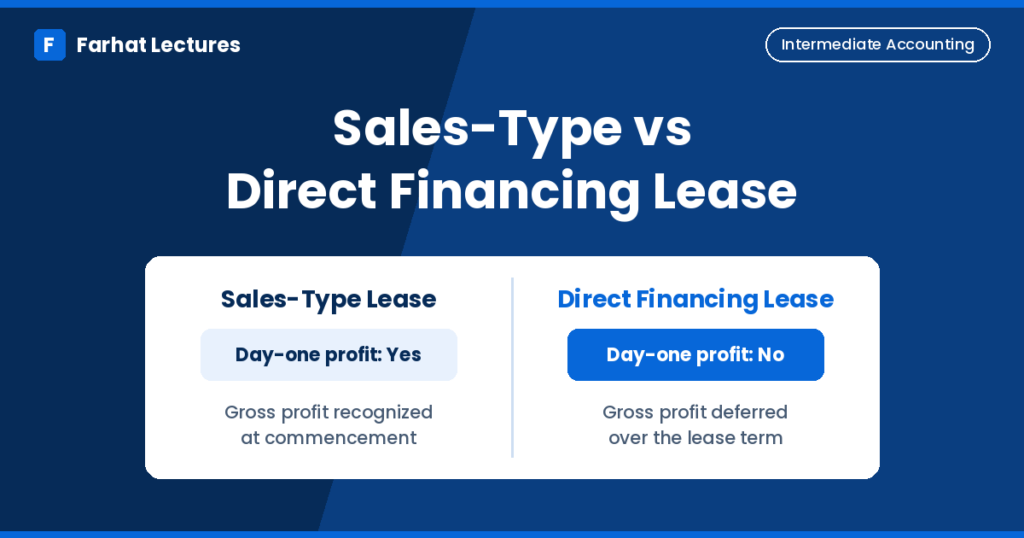
Responses